
GhanaHemp.com
Ghana's Independent Hemp & Cannabis News Authority — Est. 2026
ACCRA, GHANA · EST. 2026
ALL CONTENT VERIFIED & SOURCED
UPDATED MARCH 2, 2026
ALL CONTENT VERIFIED & SOURCED
UPDATED MARCH 2, 2026
This low-psychoactive hemp is the same type legally cultivated in countries like Canada, the United States, the United Kingdom, and Germany for fibre, seeds, textiles, food products, and therapeutic applications.
— Hon. Muntaka Mohammed-Mubarak, Minister for the Interior · Feb 26, 2026 · Source: mint.gov.ghThe Minister declared the programme open for implementation at a press briefing in Accra, citing Act 1100 (2023) and L.I. 2475 (2023) as the legal foundation. Only cannabis with THC ≤ 0.3% is permitted. Recreational use remains illegal. Apply at portal.ncc.gov.gh.
NACOC has formally warned the public that no individual, group, or association is authorised to issue or facilitate cannabis licences. The only legitimate route is directly through NACOC's Cannabis Regulations Department. Contact: [email protected] | Toll-Free: 0800 307 307 | Tel: +233 292 605 251
Apply at portal.ncc.gov.gh →
The programme is restricted exclusively to cannabis with THC ≤ 0.3%. The Minister cited Canada's cannabis sector — GH₵12.6 billion (CA$894.6M equivalent) in 2022–23 revenue — as the economic model Ghana is targeting.

A Techiman-based farmer filed a constitutional challenge on February 27, 2026, arguing that fee structures proposed under the new framework are prohibitively high, potentially unconstitutional under Articles 17, 174, and 296.
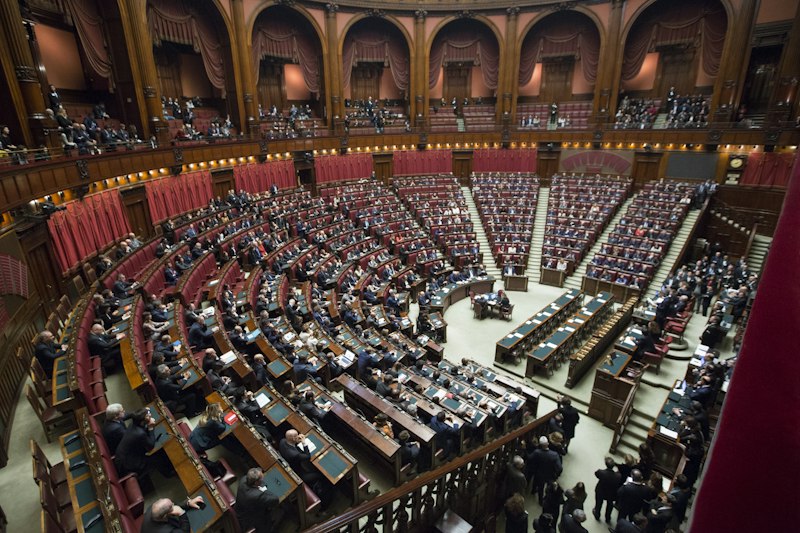
Act 1019 (2020) established NACOC. Act 1100 (2023) reinstated Section 43 after a 2023 Supreme Court ruling invalidated it on procedural grounds. L.I. 2475 (November 2023) set the operational licensing rules under NACOC supervision.
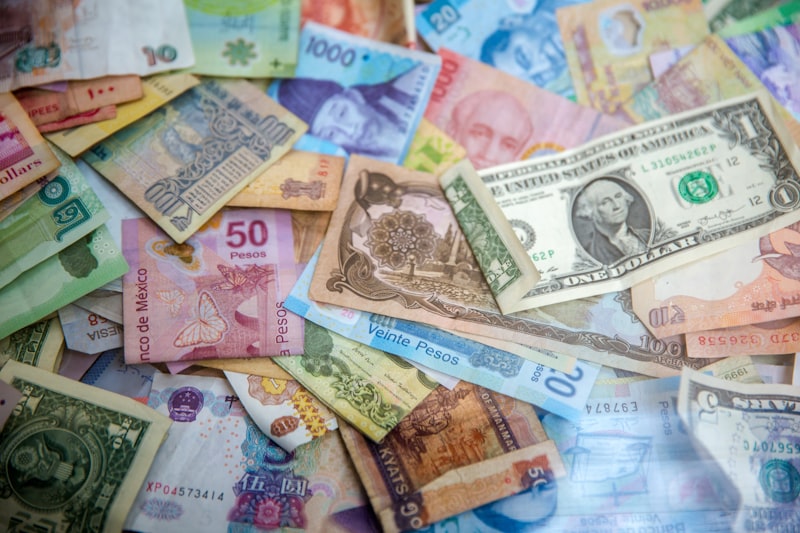
Beyond CBD, Ghana's licensed hemp sector targets textiles, paper, biodegradable plastics, biofuels, animal feed, and eco-friendly building materials including hempcrete — as confirmed by Cannacham (cannacham.org) and the Ministry of the Interior.
This initiative is not about legalising recreational "wee" but about building a world-class, Ghanaian-led industrial hemp and therapeutic cannabis sector capable of competing globally while prioritising health and security.— Hon. Muntaka Mohammed-Mubarak, Minister for the Interior · February 26, 2026 · mint.gov.gh
What Ghana is doing here matters because it creates a legitimate research infrastructure in a region where cannabis has been used medicinally for generations, but we've had almost no clinical data to work with.— Dr. Caplan, CED Clinical Commentary on Ghana's Programme · February 27, 2026 · cedclinic.com
The NACOC online portal is live and accepting applications across 11 licence categories. From small-scale cultivation (Tier 1: 1 acre) to large-scale export operations. All activities require formal NACOC approval under L.I. 2475 (2023).
8 tiers: Tier 1 (1 acre) up to 15,000+ hectares. Requires off-taker agreements, environmental permit, approved cultivar, pest management plan.
Development of approved low-THC cultivar varieties. Requires site master file, sanitation plan, and NACOC cultivar approval.
Post-harvest processing into fibre, CBD, food products, or pharmaceutical inputs. Requires equipment certification and environmental permit.
Licensed import of approved cannabis seeds and cultivar material under strict NACOC supervision. Requires approved destruction plan.
Export of processed medicinal and industrial cannabis products. Requires NACOC compliance sign-off and approved destruction plan.
THC compliance testing and quality control. ISO accreditation required alongside full equipment certification and testing plan.
Secure licensed storage facilities for cannabis products. Requires environmental permit, equipment certification, and sanitation plan.
Licensed movement of cannabis goods between approved facilities. Requires full transport plan and equipment certification from NACOC.
Wholesale and retail of licensed medicinal and industrial cannabis products to approved downstream buyers.
Scientific and clinical R&D on cannabis cultivars and cannabinoid-based medicines. Requires approved research protocol and project proposal.
Licensed promotion of legal cannabis products in Ghana. Subject to NACOC advertising standards and public health guidelines.

Ghana is pursuing partnerships with Czech institutions ahead of planned 2026 trade missions, aiming to attract European investment, research collaboration, and technology transfer into its newly regulated sector.
Ghana's Interior Minister directly cited Canada's regulated cannabis sector — which generated GH₵12.6 billion (CA$894.6M equivalent) in 2022–23, surpassing combined beer, wine, and tobacco revenue — as the economic benchmark Ghana intends to match.

CED Clinical notes that existing cannabis therapeutic data derives predominantly from Western and Israeli populations. Ghana's regulated research framework will generate population-specific clinical evidence from sub-Saharan African cohorts for the first time.
South Africa remains Africa's most mature cannabis market. Commercial legalisation is debated but not yet passed as of March 2026.
Lesotho was the first African country to license medical cannabis cultivation in 2017 and continues to lead African exports to European pharmaceutical markets.
Zimbabwe was among the first in Southern Africa to establish a medical cannabis export regime targeting European buyers. Now a model for newer entrants like Ghana.
Despite being West Africa's largest economy, Nigeria has no licensed cannabis framework. NAFDAC continues to classify cannabis as a controlled substance.
Cannacham is Ghana's premier cannabis industry chamber — providing advocacy, training, market intelligence, and networking for stakeholders in Ghana's legal cannabis ecosystem. Their mission: promoting responsible industry growth, supporting government policy development, creating jobs, and connecting Ghana to international markets.
Visit cannacham.org →