Ghana Hemp and Cannabis News — Est. 2026
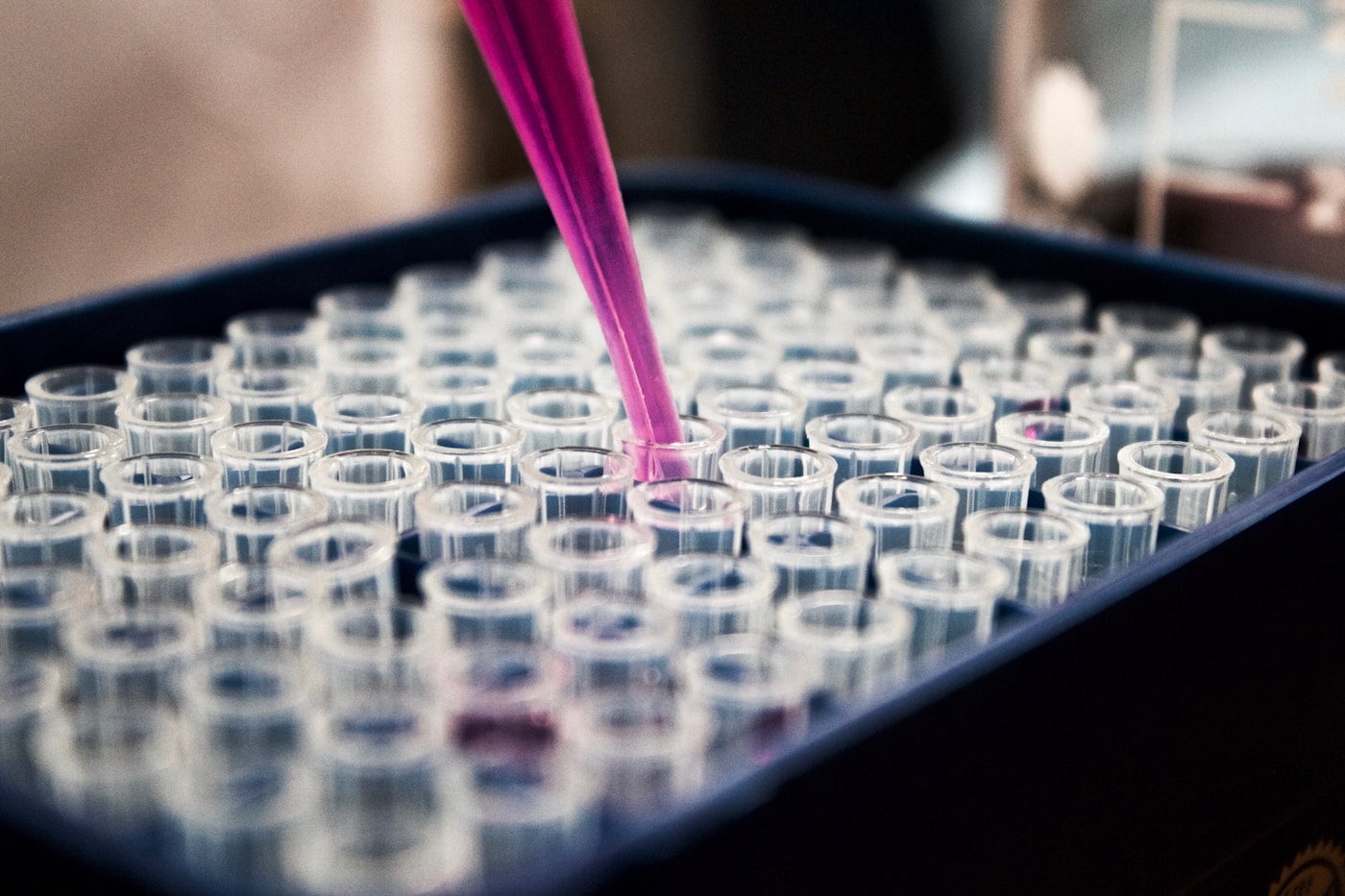
Ghana's Cannabis Regulatory Programme includes a specific Research and Development (R&D) licence category that opens the door to clinical cannabis research in Ghana for the first time under a formal regulatory framework.
Under an R&D licence issued by NACOC, licensed institutions can study cannabinoid-based treatments in controlled clinical settings. This includes growing low-THC cannabis plants, extracting CBD and other cannabinoids, conducting clinical trials with patient populations, and developing pharmaceutical formulations.
Virtually all clinical data on cannabinoid medicines comes from North American and European patients. Sub-Saharan African populations have different genetic profiles, disease burdens, and nutritional contexts. Ghana-based research will produce the first population-specific data for the region.
Apply through portal.ncc.gov.gh. The applicant must be a registered Ghanaian entity with qualified research personnel and appropriate laboratory and security facilities.